
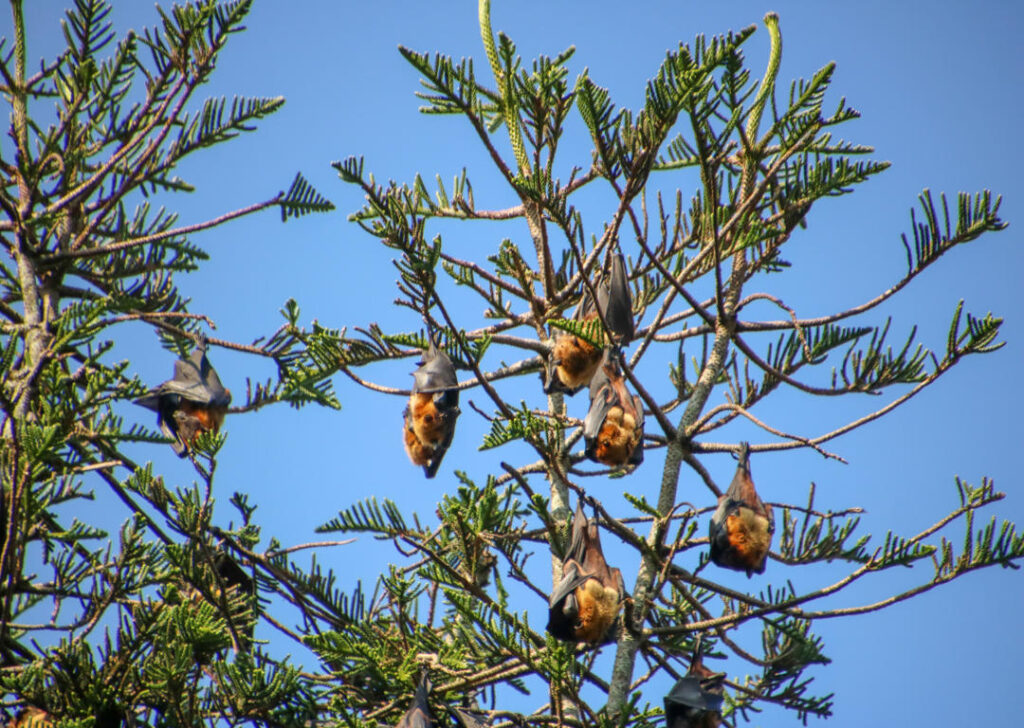
Bats play an essential role in the ecosystem, controlling insect populations and aiding pollination. However, when they take up residence in your home, they can create health risks and structural damage. Identifying a bat infestation early is crucial for addressing the problem humanely and preventing further complications.
In Denver, homes and businesses are particularly vulnerable to bat infestations during cooler months as bats seek shelter in attics, chimneys, and other secluded spaces. With the expert assistance of Animal & Pest Control Specialist, you can protect your property while ensuring humane wildlife control methods.
While bats are beneficial to the environment, their presence inside your home can lead to serious issues, including:
Humane and timely intervention is essential to protect both your property and the bats themselves, as they are a protected species in many areas.
Recognizing the warning signs of a bat infestation early can help you address the issue before it escalates. Look out for these common indicators:
If you notice any of these signs, it’s essential to take action promptly to minimize risks and prevent colony growth.
Because bats are protected under wildlife laws in many areas, including Denver, humane removal methods are not only ethical but often legally required. These methods ensure the safety of both the bats and your property.
Professional wildlife control services like Animal & Pest Control Specialist ensure every step of the process complies with Denver regulations and prioritizes humane practices.
Attempting to handle a bat infestation on your own can lead to legal issues, ineffective results, and safety concerns. Bats are protected species, and mishandling them can result in fines or harm to the animals. Additionally, improper removal techniques may allow bats to return or worsen damage to your property.
Professional services offer specialized tools and expertise to address infestations effectively, ensuring the safety of both you and the bats.
Once a bat infestation has been resolved, taking steps to prevent their return is essential. Consider these preventative measures:
Proactive steps reduce the likelihood of future infestations and ensure a harmonious coexistence with these important creatures.
Addressing a bat infestation requires careful handling, expert knowledge, and a commitment to humane practices. At Animal & Pest Control Specialist, we specialize in bat removal services tailored to Denver’s unique needs.
Our team conducts thorough inspections, employs safe removal methods, and secures your property to prevent future issues. With our help, you can protect your home while respecting the vital role bats play in the ecosystem.
If you suspect a bat infestation, don’t wait for the problem to grow. Contact Animal & Pest Control Specialist today for reliable, humane solutions to keep your property safe and critter-free.

Ronnie came out and completed an inspection in our home. He gave us good news that we did not have an insect problem. He was very knowledgeable, courteous and professional. Although they typically do not deal with our particular problem, they were willing to do an inspection and point us in the right direction. The gal in the office went above and beyond to make sure we were taken care of. Thank you!